Nanya Logo
About Us Hero

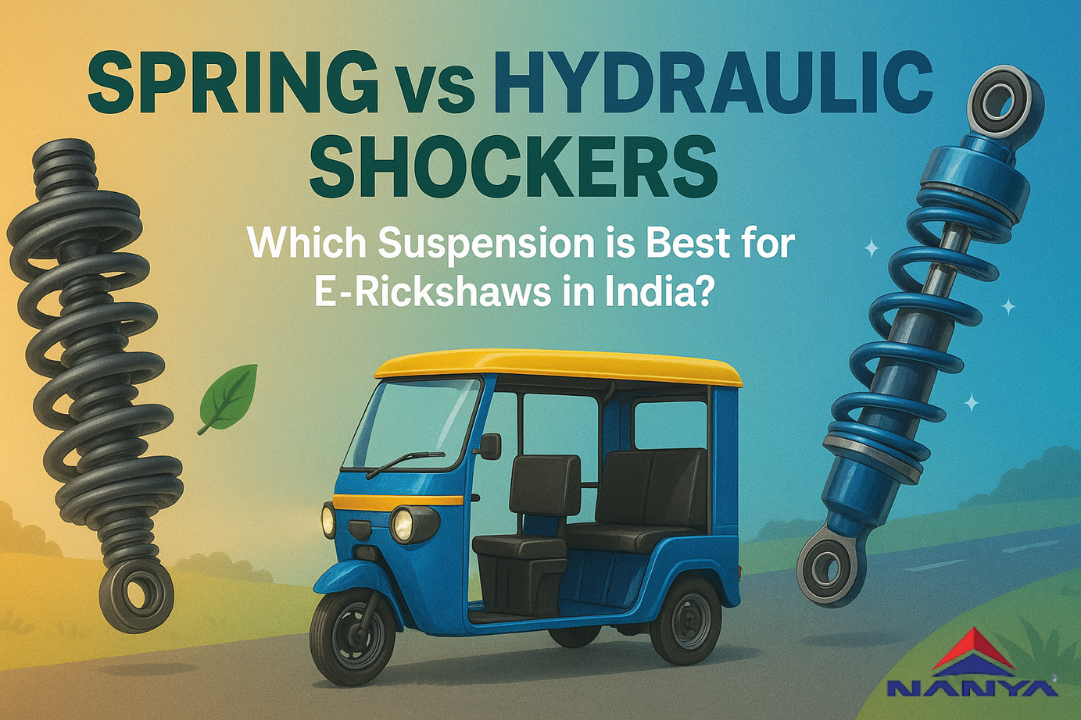
Spring vs Hydraulic Shockers: Which Suspension is Best for E-Rickshaws in India?

Jun 09, 2025 • By Admin

Blog Featured Image

? Introduction – The Unsung Hero of E-Rickshaw Performance


The success of an e-rickshaw isn’t just about its battery life or motor efficiency—ride comfort and suspension quality play a critical role. In fact, a well-performing suspension system directly impacts driver fatigue, passenger comfort, and long-term vehicle maintenance.

Two types of suspension systems dominate the e-rickshaw market in India: spring shockers and hydraulic shockers. While both aim to absorb shocks from bumpy roads, each functions differently and offers distinct pros and cons. If you're wondering which is the better fit for Indian roads, climates, and driving conditions, you’re in the right place.

This comprehensive guide breaks down everything you need to know, using real-world insights, expert comparisons, and high-ranking keywords tailored to e-rickshaw performance.

? What Are Shockers in E-Rickshaws?


A “shocker” or shock absorber is a mechanical or hydraulic device designed to smooth out the ride by absorbing and damping the shock impulses from road surfaces.

Shockers in e-rickshaws are especially critical because:

  • Most e-rickshaws are three-wheelers with less inherent stability
  • They frequently operate on unpaved or poorly maintained roads
  • They're often heavily loaded,impacting suspension strain

? Spring Shockers – Cost-Effective and Simple


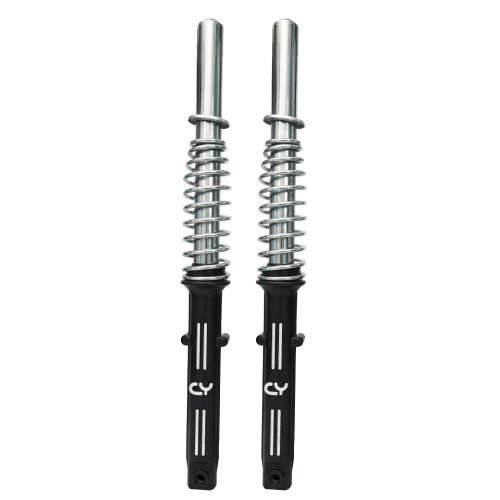
Spring shockers rely on coil springs to absorb shock. These are typically mechanically driven and lack any fluid component.

Key Benefits:

  • Affordable for low-budget owners
  • Simple construction means easy repairs
  • Adequate for light, short-distance rides

Limitations:

  • Less effective at high speed or with heavy loads
  • Can wear out faster over time
  • Don't perform well on uneven, broken roads

An infographic illustrating spring shockers for e-rickshaws, highlighting benefits like low cost, simple repair, and drawbacks like poor high-load performance. Includes illustrations of e-rickshaws, city roads, and a driver.

Perfect for light city rides—affordable and easy to maintain.

? Hydraulic Shockers – Stability with Performance


Hydraulic shockers use pressurized fluid to dampen shock. These are more advanced and efficient, making them perfect for rugged road conditions and longer rides.

Key Benefits:

  • Superior ride quality even on potholes
  • Better shock absorption and load distribution
  • Increases the lifespan of other vehicle components by reducing impact

Limitations:

  • Initial cost is higher
  • Maintenance may require technical support
  • Slightly heavier than spring shockers

A colorful infographic explaining hydraulic shockers for e-rickshaws, featuring benefits like superior comfort, durability, and fluid-based damping. Includes illustrations of rugged terrain, e-rickshaw, and components.

Ride smoother and safer on rough roads with hydraulic shockers.

? Spring vs Hydraulic Shockers – A Performance Face-Off


Feature

Spring Shocker

Hydraulic Shocker

Shock Absorption

Average

Excellent

Durability

Moderate

High

Load Handling

Light to medium

Heavy loads

Maintenance

DIY-friendly

Professional servicing

Suitable for

Short, city rides

Rural, long or commercial use

Riding Comfort

Moderate

Very High

Spring vs Hydraulic Shockers: Quick Comparison of Performance, Comfort & Suitability.

? Which Suspension System Suits Indian Road Conditions?


India’s roads are diverse, unpredictable, and often unforgiving. From Delhi’s busy city traffic to rural roads in Bihar or Uttar Pradesh, the suspension system must endure a mix of challenges.

Here’s how the two shockers perform:

 In Urban Areas:

  • Spring shockers are enough for well-paved roads with limited loads.
  • Hydraulic shockers still offer a better passenger experience, especially with stop-and-go traffic.

 In Rural and Industrial Areas:

  • Hydraulic shockers win hands down—longer life, less wear, and more control on bad roads.

 For Load-Based Driving:

  • Business delivering goods or ferrying passengers throughout the day will benefit more from the durablity and control of hydraulic shockers.

User Persona Guide – Which Shocker Should You Choose?


Not all e-rickshaw users have the same needs — and choosing the right shocker depends on how, where, and how much you drive. Here's a breakdown to help you make the smart choice:

  1. Daily Local Driver (Short Distances, City Use)

    Needs: Budget-friendly, easy to repair, decent ride quality
    Recommended:Spring Shockers
    Why: They’re low-cost and easier to maintain — ideal for those driving short distances with lighter loads.

  2.  Passenger Transporter on Long Routes

    Needs: Comfort, reliability, fewer breakdowns
    Recommended:Hydraulic Shockers
    Why: Hydraulic shockers absorb road impact more efficiently, offering a smoother, safer ride even on rough roads. They reduce vibration, fatigue, and long-term wear — a big plus for daily intercity or rural routes.

  3. Heavy Goods Carrier

    Needs: Load stability, shock resistance, long life
    Recommended:Hydraulic Shockers
    Why: Designed to handle higher weight, hydraulic shockers maintain better balance and suspension control under stress. This means fewer breakdowns, better handling, and peace of mind while hauling cargo.

  4. New E-Rickshaw Owner (Starting Out)

    Needs: Low initial cost, basic performance
    Recommended:Spring Shockers (Can upgrade later)
    Why: They're economical for first-time owners. But as road conditions and loads become more demanding, an upgrade to hydraulic is strongly recommended.

? Why We Recommend Hydraulic Shockers for Most Users


While spring shockers can be a starting point, hydraulic shockers deliver superior ride comfort, durability, and long-term value. Here’s why they’re worth the investment:

  • Better Damping Control: Hydraulic oil regulates motion, preventing harsh jerks.
  • Improved Suspension Stability: Handles potholes and speed breakers with ease.
  • Low Maintenance, High Performance: Fewer part failures over time.
  • Protects Battery and Frame: Less vibration = longer component life.
  • Ideal for Indian Roads: Built to hnadle extreme terrain and unpredicatble loads.

A detailed infographic showing the advantages of hydraulic shockers for e-rickshaws in India, including reduced vibrations, better comfort, and vehicle longevity. Illustrated with icons and road conditions.

Built for Indian roads—comfort, control, and long-term value.

? Maintenance Tips for Long-Lasting Performance


Regular maintenance is a game-changer—here’s how to get the most out of your shockers:

  • Check for fluid leakage every 3 months (for hydraulic)
  • Listen for unusual sounds when driving over bumps
  • Replace both sides together to maintain balance
  • Avoid overloading beyond the rated capacity
  • Cleam the suspension area to prevent rust and wear

A maintenance tips infographic for e-rickshaw shock absorbers, showing reminders to inspect leaks, replace both sides, and avoid overloading. Includes illustrations of tools, mechanics, and e-rickshaws.

Simple steps to extend your e-rickshaw shockers’ life.

Final Verdict – The Smarter Long-Term Choice?


If you're looking for short-term savings, spring shockers will serve you decently well—especially if you operate under lighter loads in city conditions.

But if you're thinking long-term—and let’s be real, every smart business owner should—hydraulic shockers are a smarter investment. They reduce wear on your vehicle, provide superior comfort, and hold up well on India’s unpredictable road infrastructure.

? Contact Us for Orders or Queries

Nanya – Powering India's E-Rickshaw Future with Precision Engineering.

Related Posts

Nov 09, 2025

9 Warning Signs Your E-Rickshaw Brake Shoes Need Immediate Replacement in India

Read More
e-rickshaw with mechanical failure symptoms illustration – blog cover
May 22, 2025

Before It’s Too Late The Smart Owner’s Guide to Detecting E-Rickshaw Differential Failure

Read More
Call Now WhatsApp
Call Now WhatsApp